Book An Appointment Book Online Video Counselling

How can Career Counselling Enhance My Study Abroad Experience?

Loading

Are you considering studying abroad and have already started researching it? You are spending countless hours online, reading about colleges, courses, and countries. Day after day, you’re bombarded with a flood of information from promotional materials, marketing campaigns, coaching centers, and more. Many of you have even sought advice from relatives, friends, and teachers at school or college. Yet, despite all this effort, you’re still searching for someone who can provide clarity, answer all your questions in one go, and offer a step-by-step roadmap. Someone who can provide personalized guidance and support throughout your journey. If this resonates with you, then career counselling is exactly what you need. 

This blog aims to help you understand how crucial career counselling is for students planning to study abroad, how underrated it is, and how career counselling can truly enhance your study abroad experience. 

Career Counselling – What, Why, and How

What is Career Counselling?

Career Counselling is a formal and structured guidance setup where a one-on-one discussion with an area expert takes place. It is a controlled space where one can speak one’s mind in an open and judgment-free environment. Such a space allows students to ask and discuss any queries they may have about studying abroad without hesitation. The expert counsellor provides friendly guidance to students by disclosing the realities and factual aspects of their questions to help them make better choices.  This serves as a very helpful platform where students can discuss their study abroad plans in detail and explore ways to enhance their overall experience. 

Career counsellors provide the following key benefits: 

1. Knowledge and Information Bank

Counsellors have extensive experience guiding students. They keep updated and know what the latest trends are, have real-time information on visa policies, and market demands of the top courses in respective countries thereby suggesting the best colleges. They serve as a reliable source of accurate information, helping you navigate the overwhelming amount of online data. 

2. Experience with Various Candidates

Having worked with numerous students, counsellors understand common concerns and can provide tailored recommendations. They can alert you to potential challenges, suggest better alternatives, and share insights from both successful and unsuccessful cases to help you avoid pitfalls. 

3. Personalized Guidance

Each student is special, with different skill sets, subject area interests, and financial capabilities. Some excel academically, while others prefer practical, hands-on learning. A career counsellor correctly understands and evaluates a list of all these factors and suggests the best options according to the student’s demands and future plan. 

4. Ongoing Support Throughout the Journey

Career counselling is not just a one-time service; it extends throughout your study abroad journey. From the initial planning phase to visa applications and beyond, a career counsellor provides continuous support, ensuring a seamless experience. 

Why is Career Counselling Important?

The decision to study abroad is a significant milestone that impacts your career and future. It involves a substantial investment of time and money, making it crucial to have expert guidance. Career counselling for overseas education acts as a reliable point of contact, offering clarity and strategic planning. By seeking counselling early, you can avoid potential roadblocks and proceed with confidence. 

Some critical areas where career counselling proves invaluable include: 

  1. Course Selection

Choosing the right course is often challenging. Several factors come into play, such as your interests, the course’s work hours and credit system, and its relevance to future job prospects. Counsellors help you evaluate these aspects to ensure the course aligns with your goals and offers flexibility for future changes. 

  1. Country and College Selection

With so many options available, selecting the right country and college can be overwhelming. Many institutions charge application fees, making it essential to apply strategically. A counsellor helps you identify suitable options based on deadlines, tuition fees, and career opportunities. 

  1. IELTS Preparation and Other Exams

Language proficiency exams like IELTS play a critical role in securing admission abroad. Many students feel stressed about score requirements, exam formats, and retake options. Career counsellors can guide you through the process and suggest alternatives like PTE or CELPIP, based on your strengths and program requirements. 

  1. Financial Planning and Scholarships

The financial aspect of studying abroad is a major concern for both students and parents. From tuition fees to visa costs, education loans, and GIC requirements, career counselling provides clarity on budgeting and potential scholarship opportunities. 

  1. Document Submission

Preparing and submitting essential documents such as resumes, Letters of Recommendation (LORs), and Statements of Purpose (SOPs) can be overwhelming. Counsellors offer guidance on drafting, obtaining signatures, and ensuring timely submissions to meet application deadlines. 

By addressing these key concerns, career counselling provides a clear roadmap and timeline, reducing uncertainty and last-minute stress. 

How to Access Career Counselling

Career counselling for study abroad is offered by reputable overseas education consultants who provide tailored support to students and their parents. Whether you’re just starting to plan or are in the middle of the application process, seeking counselling can significantly enhance your journey. 

When Should You Seek Career Counselling? 

The best time to seek career counselling is at the very beginning of your study abroad planning. Early counselling allows for strategic planning and helps you address potential challenges proactively. However, you can also consult a counsellor at any stage for specific guidance. 

Is Career Counselling Only for Students? 

No, career counselling is beneficial for both students and their parents. Parents often have concerns about financial planning, academic readiness, and their child’s future prospects. Counselling sessions provide them with valuable insights, enabling them to support their child effectively throughout the study abroad journey. 

In Conclusion

Thus, career counselling is of utmost priority, and every student must consider it for making informed decisions. It is not something that should be regarded as a secondary or last-minute option but rather an essential part of the entire study abroad process. The chances of falling into fraud, getting cheated, missing deadlines, or losing opportunities can be significantly reduced by seeking career counselling. Thus, don’t take up this stress alone or exhaust yourself by endlessly searching for information on the internet, as not all information may be up-to-date and accurate. Instead, opt for career counselling and follow the relevant path to enhance your study abroad journey. Take the stress out of planning and let career counselling pave the way for a successful and enriching study abroad experience. 
The Future of Studying Abroad: Opportunities in Australia

Loading

As the world is getting more and more linked, the prospect of moving abroad for studying or for work abroad has become a life-changing experience for those looking for academic success and worldwide professional prospects. Australia stands out among the best countries, providing an unrivalled blend of world-class education, rich cultural experiences, and exciting employment opportunities.  

In this blog we are going to explore the Future of Study in Australia and will shed light on why it continues to attract international students, along with some of the emerging trends in Australian education, and how the country is preparing itself in becoming a studying abroad destination for international students. 

Why Australia?

Australia has solidified its position as a top destination for international students, owing to a combination of academic quality, lifestyle perks, and post-study options. Here are the primary reasons for its rising popularity: 

  1. World-Class Universities and Academic Programs

Australia is home to some of the most prominent institutions in the world and has a widely recognized educational system. Universities like the University of Sydney, the Australian National University, and the University of Melbourne are renowned for their innovative research projects and high academic standards. With a strong emphasis on creativity, critical thinking, and practical skills, Australian education gives students the tools they need to thrive in cutthroat international marketplaces. 

Additionally, Australia is a center for cutting-edge fields like healthcare and STEM (science, technology, engineering, and mathematics), guaranteeing that students have access to programs that are suited to the demands of the future global community. 

  1. High Quality of Life and Multicultural Environment

Australia’s diversity is a key component of its attraction. With more than 30% of the people born abroad, the country is a melting pot of cultures, languages, and customs. This variety fosters an inclusive environment in which international students feel accepted and respected. 

Global cultures are frequently celebrated on Australian campuses, providing clubs, activities, and cultural festivals as means of fostering connections amongst students. In addition to enhancing their educational experience, this exposure helps them develop a global perspective, which is invaluable in the linked world of today. 

  1. Work Opportunities During and After Studies

One of Australia’s finest features for international students is its flexible work opportunities. Students can work up to 20 hours a week while studying during school hours, and they can work full-time during breaks. This flexibility allows them to pay their living expenses and get valuable work experience. 

After studying, students can stay and work in Australia to obtain industrial experience through programs like the Temporary Graduate Visa (subclass 485). These chances are crucial for developing a professional network and making a seamless shift to a global workforce. 

  1. Robust Student Support Systems

In Australia, universities offer a wide range of support services, such as networking opportunities, career guidance, counseling, and orientation programs. These tools assist students in realizing their full potential and overcoming the difficulties of studying overseas. 

  1. Pathways to Permanent Residency

Australia is a very appealing place for students wishing to start long-term careers because of its avenues to permanent residency. Many graduates go on to skilled migration programs, especially in industries with high demand like IT, engineering, and healthcare. 

Emerging Trends in Australian Education

The education system in Australia is changing quickly to keep up with international trends and technological breakthroughs. The following new developments will influence Australian education going forward: 

  1. Rise of Digital Learning and Online Courses

Australian universities currently provide a variety of online and hybrid courses as a result of the pandemic’s acceleration of the use of digital learning. For students who want to manage their education with jobs or other obligations, these programs provide flexibility. 

  1. Focus on STEM and Healthcare Fields

As the worldwide demand for STEM and healthcare workers grows, Australian institutions are spending considerably in these sectors. International students are increasingly interested in programs in artificial intelligence, data science, biotechnology, and nursing. 

  1. Growth in Arts, Design, and Social Sciences

Beyond conventional domains, there is an increasing interest in the arts, design, and social sciences. Australia’s creative industries are growing, offering several possibilities for those who are enthusiastic about innovation and cultural expression. 

  1. Specialized and Short-Term Programs

Many schools now provide short-term courses and micro-credentials in certain fields, appealing to students seeking specialized skill development. These programs are especially appealing to professionals looking to upgrade or reskill. 

  1. Government Initiatives to Attract Talent

The Australian government has implemented programs including scholarships, expedited immigration procedures, and regional migration incentives in an effort to draw in international talent. Australia’s standing as a global centre for education is intended to be strengthened by these actions. 

Opportunities for International Students in Australia

Australia is a desirable location for anyone looking to advance their education and careers since it provides a multitude of options for overseas students. Important opportunities consist of: 

  1. Scholarships and Financial Aid

Australian universities provide a variety of scholarships to overseas students, including the Australia Awards, Destination Australia Scholarships, and institution-specific prizes. These financial grants help to lower the expense of studying abroad. 

  1. Work Rights and Internships

International students can work part-time while studying, gaining valuable experience and financial independence. After graduation, internships and industrial placements provide opportunities for full-time work with renowned Australian firms. 

  1. Networking Platforms

Strong industry linkages are fostered by Australian institutions, giving students access to career fairs, mentorship programs, and alumni networks. 

  1. Post-Study Work Opportunities

Depending on their qualifications and place of study, students with the Temporary Graduate Visa (Subclass 485) may work in Australia for up to four years following graduation. Students benefit from this opportunity by gaining useful experience and increasing their chances of obtaining permanent residence. 

Top Fields of Study with Growing Demand

Australia’s job market demands skilled professionals in several fields. Here are some of the most in-demand areas: 

  • Engineering and Technology: Australia requires engineers with expertise in software, electrical, and civil engineering because of the large infrastructure projects that are now under way. 
  • Health Sciences and Medicine: As the healthcare industry expands, there is a significant need for physicians, nurses, and other allied health specialists. 
  • Business and Finance: Management, finance, and entrepreneurial possibilities are created by Australia’s strong economy. 
  • Environmental Sciences: Programs in environmental sciences and renewable energy are becoming more popular as sustainability becomes a top concern. 
  • Creative Arts and Design: Opportunities in animation, game design, and film production are available in Australia’s thriving creative economy. 
  • Education and Social Work: The demand for skilled educators and social workers is rising, driven by population growth and social initiatives. 

Government Policies and Support for International Students

Australia’s government plays a crucial role in creating a supportive environment for international students. Key policies and initiatives include: 

  • Streamlined Visa Applications: The Simplified Student Visa Framework (SSVF) has improved the speed and effectiveness of the visa application procedure. 
  • Post-Study Work Opportunities: Programs such as the Temporary Graduate Visa and the Priority Migration Skilled Occupation List (PMSOL) assist foreign graduates in finding employment. 
  • Regional Migration Incentives: Extended post-study employment rights and extra points for skilled migration are advantageous to students enrolled in regional schools. 
  • Policy Updates: Consistent updates guarantee that students are aware of modifications affecting their chances for education and employment. 

How Australia is Preparing for the Future of Education

Australia’s education sector’s continuous efforts to adapts to the global changes and technological advancements in the education field make it future focus. Some of the key initiatives includes: 

  • Investing in Innovative Teaching Methods: The integration of modern-day technology like Virtual Reality (VR), Artificial Intelligence (AI) and gamification is seen by many of the Academic Institutes of Australia. 
  • Strengthening Global Collaborations: By collaborating on the global stage, the research and exchange initiatives for Australian institutes have become much easier. 
  • Focusing on Employability: Australian Educational institutes are focusing on providing its students with Courses that help them develop skills which leads to employment. 
  • Expanding Research Opportunities: With international collaboration and focus on latest technology, Australian universities can provide wealth of research opportunity to international student, especially in the fields of sustainability and STEM. 

Challenges for International Students and How to Overcome Them

While studying in Australia offers immense benefits, international students may face challenges, including: 

  • Tuition Fee Increases: Top colleges, such as the University of Melbourne, intend to boost tuition prices by up to 7% in 2025. For example, a year of engineering studies may cost $56,480, whereas clinical medicine could cost $112,832. 
  • Cap on International Students: To address housing and migration problems, the Australian government proposes restricting enrolments at 270,000. Prospective students must watch how this influences admissions. 
  • Cultural Adjustment: Participating in local communities, attending orientation seminars, and joining student groups may all help make the transition go more smoothly. 
  • Visa Navigation: The visa procedure can be made simpler by consulting immigration specialists or university counsellors. 

Students may optimize the benefits of studying in Australia by taking advantage of scholarships, getting up to date on legislative changes, and strategically preparing. 

Conclusion

Australia stands at the forefront of global education, offering international students a blend of academic excellence, career opportunities, and cultural experiences. With its commitment to innovation, supportive policies, and thriving job market, Australia remains a beacon of opportunity for students worldwide. As the country continues to evolve, students planning to study abroad can look forward to a bright and promising future in Australia. 

There are plenty of Opportunity in Australia be it for higher education or for building an international career. To explore your option and to navigate your visa application process or to get guidance get in touch with experts at Rao consultants and begin your journey today where you can unlock a world of possibilities in the land down under! 

How Studying in Australia can Impact PR Application Success?

Loading

Australia ranks as the third most preferred destination for Indian students among various countries worldwide. Every year, hundreds of thousands of Indian students choose Australia for its high-quality education and lifestyle. As a result, Indian students constitute one of the largest cohorts in Australian education. 

Considering the increasing demand and its impact on migration, the Australian government has decided to impose a cap on international students starting in 2025. For the year 2025, only 270,000 students will be invited to study in Australia. This decision was taken as part of the new Australia Student Visa Policy. 

In addition to this major decision, Australia has also announced several new policies for 2025. These include restructuring the Australian Migration Program, introducing the National Innovation Visa (formerly known as the Global Talent Visa), and launching the Mobility Arrangement for Talented Early-Professionals Scheme, among others. 

In such a scenario, where the Australian government is introducing new changes, many Indian students are left wondering how these changes might affect their prospects of obtaining Permanent Residency (PR) in Australia as an Indian student.  This blog aims to address such questions and help you make an informed decision about your future. 

Here, you can find useful information on important topics. This blog will also be helpful for Indian students who wants to study in Australia. It is for those students who want to applying for PR or who have just gotten or are planning to get admission.   

Why Studying in Australia Boosts PR Opportunities

To begin with, Australia is a country that offers you the opportunity to stay even after completing your studies through its post-study work permits and PR pathways. If you enroll in specific courses that align with the Australian government’s demands and requirements, your chances of obtaining PR in Australia significantly increase. 

So, first, let’s explore which courses can enhance your PR application success. Based on the list below, you can align your course of study in Australia with jobs associated with it, as outlined by their ANZSCO codes on the SOL list provided by the Australian government. You can select these jobs if you are planning to apply for PR in Australia.

Main Categories 

Relevant Courses 

Associated Occupations 

Healthcare & Medical 

General Practitioner,

Registered Nurse,

Physiotherapy,

Pharmacy,

Dentistry 

General Practitioner (ANZSCO 253111),

Registered Nurse (Medical) (ANZSCO 254418),

Physiotherapist (ANZSCO 252511),

Pharmacist (ANZSCO 251511),

Dentist (ANZSCO 252312) 

Engineering 

Civil Engineering,

Mechanical Engineering,

Electrical Engineering,

Structural Engineering,

Environmental Engineering 

Civil Engineer (ANZSCO 233211),

Mechanical Engineer (ANZSCO 233512),

Electrical Engineer (ANZSCO 233311),

Structural Engineer (ANZSCO 233214),

Environmental Engineer (ANZSCO 233915) 

Information Technology (IT) 

Software Development,

ICT Business Analysis,

Web Development,

Networking,

Database Management 

Software Engineer (ANZSCO 261313),

ICT Business Analyst (ANZSCO 261111),

Web Developer (ANZSCO 261212),

Network Administrator (ANZSCO 263112),

Database Administrator (ANZSCO 262111) 

Skill-Related Trades 

Electrical Work,

Plumbing,

Carpentry,

Automotive Electrician,

Bricklaying 

Electrician (General) (ANZSCO 341111),

Plumber (ANZSCO 334111),

Carpenter (ANZSCO 331212),

Automotive Electrician (ANZSCO 321111),

Bricklayer (ANZSCO 331111) 

Education 

Secondary Education,

Primary Education,

University Lecturing,

Vocational Education,

Early Childhood Education 

Secondary School Teacher (ANZSCO 241411),

Primary School Teacher (ANZSCO 241213),

University Lecturer (ANZSCO 242111),

Vocational Education Teacher (ANZSCO 242211),

Early Childhood Teacher (ANZSCO 241111) 

Accounting & Finance 

Accounting,

Auditing,

Financial Planning,

Management Accounting,

Taxation 

Accountant (General) (ANZSCO 221111),

External Auditor (ANZSCO 221213),

Financial Planner (ANZSCO 222311),

Management Accountant (ANZSCO 221112),

Taxation Accountant (ANZSCO 221113) 

Construction & Architecture 

Construction Project Management,

Architecture,

Landscape Architecture,

Surveying,

Urban & Regional Planning 

Construction Project Manager (ANZSCO 133111),

Architect (ANZSCO 232111),

Landscape Architect (ANZSCO 232112),

Surveyor (ANZSCO 232212),

Urban & Regional Planner (ANZSCO 232611) 

Hospitality & Tourism 

Culinary Arts,

Restaurant Management,

Hotel Management,

Baking,

Barista Training 

Chef (ANZSCO 351311),

Restaurant Manager (ANZSCO 141111),

Hotel Manager (ANZSCO 141311),

Baker (ANZSCO 351111),

Barista (ANZSCO 431112) 

Other In-Demand Skills 

Social Work,

Veterinary Science,

Graphic Design,

Marketing,

Public Relations 

Social Worker (ANZSCO 272511),

Veterinarian (ANZSCO 234711),

Graphic Designer (ANZSCO 232411),

Marketing Specialist (ANZSCO 225113),

Public Relations Professional (ANZSCO 225311) 

The next step to be taken in the process then is, before six months of completion of any of the above PR courses or any other course as per the list, you can apply for your Australia PR under the visa options such as Skilled Independent Visa (Subclass 189), Skilled Nominated Visa (Subclass 190) and Skilled Work Regional Visa (Subclass 491) 

When you apply for PR, make sure that you meet all the criteria listed below. Most students studying in Australia typically fulfill these criteria, which makes it easier for them to apply for Australian PR. 

  • Study in Australia under a valid Student Visa (Subclass 500) or Graduate Temporary Visa (Subclass 485). 
  • Complete at least two years of study in a CRICOS-registered course. 
  • Obtain a minimum of 65 points on the PR points test. 
  • Secure an IELTS score with high bands. 
  • Apply within six months of completing your course. 
  • Your occupation must align with an ANZSCO code listed on the SOL. 
  • Pass health and character checks. 

Additionally, you can showcase your work experience and other industry-specific skill sets by attaching documented proof to your PR application. Remember, submitting complete and accurate documentation, along with timely submission, plays a crucial role in the success of your PR application journey. One of the main benefits of studying in Australia is being around the local culture. It will help you understand the process better. You can talk more easily with officials. Take full advantage of this opportunity instead of leaving it until the last moment. With numerous policy changes underway and a cap being introduced on student numbers, it is essential to submit a well-prepared and thoroughly completed application to maximize your chances of success. 

Australia PR Policy Changes: A New Opportunity for Indian Students 

Australia’s transforming immigration scenario means that at least 6 months early preparation before the study course completes, is crucial. While studying in Australia benefits for PR aspirants, upcoming caps on student numbers and policy reforms make it vital to stay updated and act promptly. 

Take advantage of Australia’s supportive environment and bring in success in both your studies as well as your PR journey. Some of the benefits of the new policies for students studying in Australia and who want to apply for PR is as follows: 

Benefits of New Policy Changes 

Policy Change 

Benefits 
Restructured Migration Program 

Increased PR opportunities with 70% allocation to skilled migration streams. 

Expanded Employer-Sponsored Visas 

More pathways to PR for skilled workers, with 44,000 places available. 
Regional Visa Expansion 

33,000 places encourage migration to regional areas, addressing workforce gaps. 

National Innovation Visa 

Opportunities for exceptional talent in critical industries like STEM. 
Mobility Arrangement for Talented Early-Professionals Scheme 

Allows 3,000 Indian graduates to live and work in Australia for two years annually. 

Reduced Work Experience Requirements 

Easier access to jobs with only one year of experience needed for Temporary Skill Shortage visa. 
Stricter English Proficiency Requirements 

Improved academic outcomes and protection against workplace exploitation. 

Conclusion

Obtaining Australian PR becomes significantly easier, and the success rate increases when you have pursued your education in Australia. By choosing the courses mentioned above or other government-listed programs, and aligning your education and experience accordingly, you can enhance your chances of securing PR. 

With patience, fulfilling all the requirements, maintaining a positive outlook, and submitting a complete application, the Australian PR process can certainly be achieved. In this way, you can not only acquire a high-quality education but also build a successful career and establish a permanent future in Australia. 

What Are the Challenges of Studying Abroad and How to Overcome Them?

Loading

Every year, millions of Indian students weave dreams of study abroad. Countries like Canada, the US, the UK, Australia, Germany, China, and others have long been popular destinations for Indian students. The trend of migrating to foreign countries to build a career isn’t new for Indian students; it’s been happening for decades. However, the recent surge in these numbers is remarkable. In 2024, over 1.33 million Indian students are study abroad, Genrate one of the highest counts ever recorded. 

Some students pursue their dream of studying at top-tier universities, others aim to learn niche international courses to innovate back home, while many seek to experience new cultures, and some even settle abroad permanently. Whatever the reason, the common thread among them is aspiration — a strong desire to move, travel, and experience something transformative. These aspirants are ready to put in immense effort and hard work to turn their dreams into reality. 

This blog is dedicated to all those motivated aspirants who wish to study abroad. By preparing in advance for the challenges that may arise, the journey becomes smoother and more rewarding. Below, we discuss some of the most common challenges and practical solutions to overcome them, ensuring your dream of studying abroad remains intact. Let’s dive into these challenges and discover how to tackle them effectively: 

Challenge 1: Are You Unconfident in Spoken English and Communication?

Spoken English is a key requirement for most study-abroad destinations. The journey often begins with questions about exams like IELTS, PTE, or CELPIP: Should you self-study or join coaching? What’s the syllabus? How soon can you prepare? Can you retake the test if needed? And what about exam fees? Cracking these exams is a major milestone, but the challenges don’t stop there. 

Even after passing, many students feel hesitant about public speaking. This could stem from a vernacular medium education, a non-English-speaking background, introversion, grammar struggles, or the habit of translating thoughts from one’s mother tongue to English. Such factors can make students uncomfortable in an English-speaking environment. 

Solution: How to Overcome the English-Speaking Barrier

Challenge 

Solution 
Preparing for IELTS, PTE, CELPIP 

Understand the syllabus and scoring pattern. Start at least three months early to avoid last-minute stress. 

Fear of English Public Speaking 

Practice with friends, in public, or in front of a mirror. Watch English movies, news, and vlogs to adapt. 

Challenge 2: Are You Poor at Financial Planning for Studying Abroad? 

Studying abroad teaches invaluable lessons in financial management. As a student in India, you may rely on your parents for money matters. But abroad, you may face any financial challenges: tuition fees, accommodation costs, earning while studying, and saving. Mismanagement can lead to stress and health issues, making preparation crucial. 

Solution: Ways to Manage Finances for Studying Abroad

Challenge 

Solution 

Planning study-abroad expenses 

Research thoroughly. Explore college websites, attend education fairs, and consult study-abroad firms to find the best-fit programs. 

Mediums to support education 

Look for scholarships (merit-based, extracurricular, fully funded) and study-abroad loans from reputable firms. 

Studying with work 

Research allowed work hours, average pay, and job timings. Balance work and study to maintain health and academic performance. 

Saving money 

Understand norms, taxes, and conversion rates. Avoid unnecessary charges while saving or transferring money. 

Challenge 3: Do You Struggle to Achieve Study-Work Balance? 

Many international students are eager to earn their own money, driven by high foreign currency rates, tuition costs, or lifestyle expenses. However, overworking can lead to skipped classes, low grades, and health issues, causing students to either fail or drop out. Balancing study and work is crucial to avoid such setbacks. 

Solution: Tips to Achieve Study-Work Balance

Challenge 

Solution 
Low attendance/grades/backlogs 

Work only within permitted hours. Avoid overtime, night shifts, and jobs conflicting with class schedules. Maintain a time buffer. 

Engaging in risky job types 

Avoid jobs with safety risks or unclear payment terms. Opt for on-campus jobs or roles that align with your career goals. 

Challenge 4: How to Achieve Good Grades in a New Academic System?

The academic structure abroad from credit systems and assignments to workshops and group projects can be quite different. Adjusting to this system is challenging but essential for academic success. Ignoring these nuances can impact your grades and overall experience. 

Solution: Simple Steps to Succeed in a New Academic System

Challenge 

Solution 

Difficulty understanding course requirements 

Attend orientation programs to understand syllabi, course requirements, and campus resources. Consult TAs and instructors. 

Course registration 

Review courses thoroughly, note their timings, and seek senior advice. Register early and adjust your choices if needed. 

 Challenge 5: Do You Experience Culture Shock or Homesickness?

New surroundings, unfamiliar languages, different lifestyles, and unique food can make students feel out of place. Overthinking or failing to express your feelings can lead to stress. Staying positive and engaged is key to overcoming these hurdles. 

Solution: Activities to Prevent Culture Shock and Homesickness

Challenge 

Solution 
Feeling awkward or isolated 

Embrace new experiences while sharing your own culture. Make friends locally and from your home country. 

Missing home 

Stay engaged in college activities, participate in class discussions, and seek help when needed. 

Conclusion

Studying abroad is a new and life-changing experience filled with both challenges as well as opportunities. But, by preparing for potential hurdles and equipping yourself with the solutions, you can cross and sail this journey with confidence. Remember, the most important thing is to keep yourself aware and alert and communicate the challenge immediately and resolve in the best possible ways to avoid any setbacks later.  

Unpredicted Visa Challenges: A Comprehensive Guide for Aspiring International Students

Loading

Many students dream of study abroad, where they might get academic enrichment, cultural immersion, and new chances. Beginning this journey is an exciting and life-changing choice. 

However, this option frequently requires navigating difficult visa processes, which, if not handled correctly, might lead to unexpected complications. A student visa is essential for pursuing academic possibilities in other countries. It gives you the legal right to enter, remain, and study in your selected location. 

But obtaining a visa is more than just a formality; it necessitates following strict legal requirements, deadlines, and documents. Even little mistakes might have serious repercussions. A prepared and knowledgeable learner is better able to overcome these obstacles. This article covers typical visa-related problems, their effects, and practical solutions to guarantee a smooth transfer to your academic location. 

Common Unpredicted Visa Challenges

These are number of reasons which can turn up to be challenging to students applying for their study abroad visa. The issues could range from neglection in filling the visa application, to changes in host county’s visa policies. Let’s understand some Visa Issues for Study Abroad: 

1. Delayed Visa Processing

High application numbers, personnel shortages, and unforeseen events can all cause visa approvals to be delayed. Such delays may affect your academic timetable, causing you to postpone your admission or miss essential orientation sessions. 

2. Incomplete or Incorrect Applications

Errors in application forms, such as incorrect personal details or missing information, are among the most common reasons for visa rejections. Even minor inaccuracies can jeopardize your application. 

3 Insufficient Financial Documentation

Most countries require students to prove they can financially support their education and living expenses. Missing bank statements, unexplained transactions, or lack of clarity about financial sources often result in application denials. 

4. Health and Police Clearance Issues

Some destinations mandate medical exams or police clearance certificates. Delays in obtaining these documents or unexpected findings in medical reports can hinder the process. 

5. Changes in Visa Policies

Sudden shifts in immigration policies, quotas, or requirements due to geopolitical events can catch students off guard. These changes often leave applicants scrambling to comply with new rules. 

6. Underprepared Visa Interviews

Countries like the United States and Canada require interviews as part of the visa process. Lack of preparation can lead to poor responses, raising doubts about your intent or qualifications. 

7. Dependence on Unreliable Agents

Relying on inexperienced or dishonest agents may result in incomplete applications or misinformation, leading to delays or outright rejections. 

8. Missed Deadlines

Tight schedules and last-minute submissions can lead to missed deadlines, leaving students with limited options or deferrals. 

Impact of Visa Challenges 

Unforeseen visa issues can have wide-ranging consequences: 

  • Academic Disruptions: Students’ educational schedules may be hampered by delays or denials that cause them to postpone admission. 
  • Financial Losses: Non-refundable application, tuition, or travel expenses can put a heavy financial burden on a person. 
  • Emotional Stress: Students and their families may experience emotional exhaustion as a result of adjusting to uncertainty and rejection. 

Country-Specific Visa Hurdles

United States 

  • Key Challenge: The main obstacle is proving that you have solid financial standing and links to your homeland. 
  • Solution: Get comprehensive financial documentation and unambiguous proof of plan to return. 

United Kingdom 

  • Key Challenge: Getting the CAS (Confirmation of Acceptance for Studies) and fulfilling exact budgetary criteria are the main challenges. 
  • Solution: Double-check CAS details and submit well-documented financial proofs. 

 Canada 

  • Key Challenge: Prolonged processing periods and stringent paperwork requirements are the main challenges. 
  • Solution: Send applications as soon as possible and make sure all supporting documentation, such as biometrics and medical records, is finalized. 

Australia 

  • Key Challenge: The Genuine Temporary Entrant (GTE) requirement and evidence of health insurance are the main obstacles. 
  • Solution: Before applying, obtain current health insurance and write a strong statement of intent. 

Europe 

  • Key Challenge: Managing various visa requirements and translations is a major challenge. 
  • Solution: Follow the particular regulations of each nation and use official translation services for papers. 

Proven Strategies to Avoid Visa Issues 

1. Stay Informed and Updated

Check official government sources for the most recent information on visa laws and requirements. Embassies and consulates frequently offer extensive instructions to assist applicants. 

2. Organize and Verify Documents

Your application and accompanying papers should be thoroughly reviewed. Use the checklists supplied by embassies to guarantee completion. 

3. Start Early

Submit your application well in advance to allow for probable delays. Keep track of deadlines for visa applications and university requirements. 

4. Practice for Interviews

Practice common interview questions and articulate clear study plans. Confidence and clarity in explaining your intent are crucial. 

5. Work with Reputable Consultants

Professional consultants may give experienced help, ensuring that applications are correct and submitted on time. Choose trusted firms with an established track record. 

6. Maintain Financial Transparency

Present genuine and straightforward financial documentation. Steer clear of big, mysterious purchases near the application deadline. 

7. Prepare for Contingencies

Maintain a contingency plan and To reduce interruptions, plan for eventualities like postponing admittance or looking into other study locations. 

The Role of Visa Consultants

Visa consultants can significantly ease the process by: 

  • Document Verification: Ensuring all documents meet the requirements. 
  • Application Accuracy: Minimizing errors and omissions. 
  • Expert Guidance: Providing insights on changing policies and best practices. 
  • Stress Management: Offering support to students and families throughout the process. 

Conclusion 

While navigating visa application process, there are many unpredicted study abroad visa issues which students come across. These issues or hurdles can be overcome with planning, attention to detail, and professional guidance. By being aware of typical problems, being proactive, and taking guidance and assistance from visa immigration experts at Rao consultants, students may turn these difficulties into doable assignments.  

Expert guidance not only assists students in their study abroad visa application process, but also it provides students with a well-rounded guidance covering from university and course selection to air tickets and accommodations. Prioritize your visa application if you intend to study abroad because it’s a crucial step in realizing your goals. You will have a successful and rewarding path to foreign education if you take the appropriate strategy. 

Study in Canada: September Intake 2025

Loading

Today, Canada turned into a country with extraordinary demands and a high reputation owing to esteemed universities, glowing student cities and a well-organized lifestyle. The country has become the most popular study destination for international students, especially in the September intake.

Canada usually accepts international students thrice in a year, the primary intake for the students who want to study in Canada is fall Intake also known as September Intake. Almost all institutes offering the foremost number of seats open in all the courses, compared to the former two Intakes i.e. January and May intake.

Why September intake is most popular to study in Canada?

Maximum international students prefer fall intake to begin their educations in Canada, as it will provide them sufficient time to be conditioned to the studies and the environment. Moreover, the weather in fall is more pleasant compared to the winter.

When Should You Apply for September Intake in Canada?

Aspirants to September intake in Canada can apply from November 2024 to March 2025. Check the deadline of the colleges/universities you want to study in and apply at least a month before your deadline. Don’t delay in replying to university emails.

What is the Deadline for September intake in Canada?

Deadlines for application aimed at September intake mostly fall between December and March. However, it varies from institute to institute. Hence, you should be alert to the university’s website for any updates regarding your Intake.

Why Canada is Popular among International Students?

Canada is the most popular study destination among international students due to several motives. Apart from lucrative employment opportunities due to universal acceptance of Canadian education, several additional benefits attracting international students in Canada.

As Canadian universities are winged the worldwide ranks, they have launched video essays and video questions for certain programs. Only a few universities need you to have the matching admissions exam for admissions. Above all, Canada covers all the properties to help international students to achieve whatever they have determined for a prosperous career.

Prepare Your Perfect Profile for Admission to Canadian University:

Canadian universities are an emphasis on your previous education and your comprehensive profile for admissions. The admission process in Canadian universities is on a first-cum-first basis. If you are an applicant for Engineering, Business, Architecture, Arts, Science, and pre-medicine, Canadian universities want to know about you and your overall profile.

It is important to demonstrate that you have accomplished your time healthy since grade 9 and have surpassed in academics and extra-curricular activities.

Who Can Apply?

Education Qualification

  • The minimum qualification standard is to be a graduate with a 50% score from a UGC or AICTE recognized university. However, there are certain exceptions.
  • The bachelor graduation has to be accomplished within a definite time with no-year back.
  • The applicant should not have over 10 backlogs in graduation (depending on course, college and category).


Top Programs to Study in Canada for International Students

Name of the Course

Job functions

Jobs on-demand

MBA Diversified Business Network

New skills and knowledge

Holistic Overview of the Business world

Management Consulting,

Banking,

Investment Finance

Big Data or Analytics

Computer Engineering Information systems analysts and consultants

Database analysts and data administrators

Software engineers and designers

Computer programmers and interactive media developers

Web designers and developers

Dev-Op & Cyber Security Professionals

IT project managers

Software engineers

Business & Finance Asset Management

Broking

Investment Management

Banking

Insurance

Accounting

Financial Analyst

Manager

Accountant

Core Engineering & Engineering Management Specialized Engineering

Industry-standard CAD software

Mechanical

Civil

Electrical-Electronics

Chemical

Industrial & Manufacturing

Engineering Management

Physical & Earth Sciences and Renewable Energy Physics & Astronomy

Medical Physics & Nanotechnology

Geoscience & Oceanography

Oil & Petroleum Engineering

Mining

Geology

Geo-informatics

Renewable Energy

Earth Sciences

Renewable energy

Agricultural Science & Forestry Agricultural science & forestry

Agricultural scientists,

Agronomists, forestry consultants,

Agricultural consultants

Biosciences, Medicine & Healthcare Medicine,

Biological Sciences, Biotechnology,

Pharmacy

Biological Sciences

Biotechnology

Pharmacy

Nursing

Medicine (Specialist Physicians) and Dentistry

Media & Journalism Digital marketing

Digital & interactive design

Digital Media

Advertising

Marketing

Public Relations

Journalism

Interactive Media

UX/UI Design

Visual Effects & Animation

Creative & Graphic Design

Mathematics, Statistics, Actuarial Science & Analytics Maths and Analytics Quantitative and Analytics Professionals
Psychology & Human Resources Job Analysis,

Employee Safety

Employee Training

Job Performance

Employee hiring systems

Counseling psychologists,

Career advisers,

Industrial Psychologists

HR professionals

Architecture Civil and Construction

Designing

Urban & Landscape Architects
Hospitality Hospitality Accommodation & Restaurant Managers
Education Training and counseling Teachers and Education Counsellors

Financial Assistance Available:

In order to study in Canada several financial aid programs support international students in Canada some of them are hereunder:

  1. Scholarships providing by several Canadian universities
  2. Scholarships offered by non-Canadian academic institutions to facilitate collaboration with the local academic community
  3. Financial assistance by non-government organizations (NGOs)

The opportunities offered to you will depend on your course of study or research and your inborn country.

Education Loan for Study in Canada:

If you are tired of all your alternatives with the funds, and International students education loan in Canada is the best way to fund your cost of Study in Canada. Education Loans, along with scholarships are the easiest way to fund your studies abroad because their repayment is flexible.

What is the Cost of Study in Canada?

The tuition fees for diverse courses and universities are different. The below statistics are just an indication of what an average international student fees, for a certain field of study and can be above or below your actual total cost of study in Canada.

Here we present approx. annual expenses expected in Canadian Dollars.

Field of study


Cost of Study in Canada
(2024 / 2025)

Education

$22,104
Visual and performing arts, and communications technologies

$27,103

Humanities

$29,742
Social and behavioural sciences, and legal studies

$30,049

Law

$36,001

Business, management and public administration

$30,769

Physical and life sciences and technologies

$34,763

Mathematics, computer and information sciences

$35,628

Engineering

$36,072

Architecture

$29,804

Agriculture, natural resources and conservation

$28,238

Dentistry

$57,020

Medicine

$38,075
Nursing

$22,946

Pharmacy

$40,736
Veterinary medicine

$65,576

Optometry

..
Other health, parks, recreation and fitness

$26,257

Personal, protective and transportation services

$25,424

Source: Statistics Canada

To check your eligibility for a Scholarship, click here

How to study amid Coronavirus in Canada?

You don’t need to worry about coronavirus while preparing to study in Canada. The country has made various steps in order to safeguard immigrants as well as international students. Eventually, it is up to every province to approve COVID-19 groundwork policies for each institute according to the Canadian government.

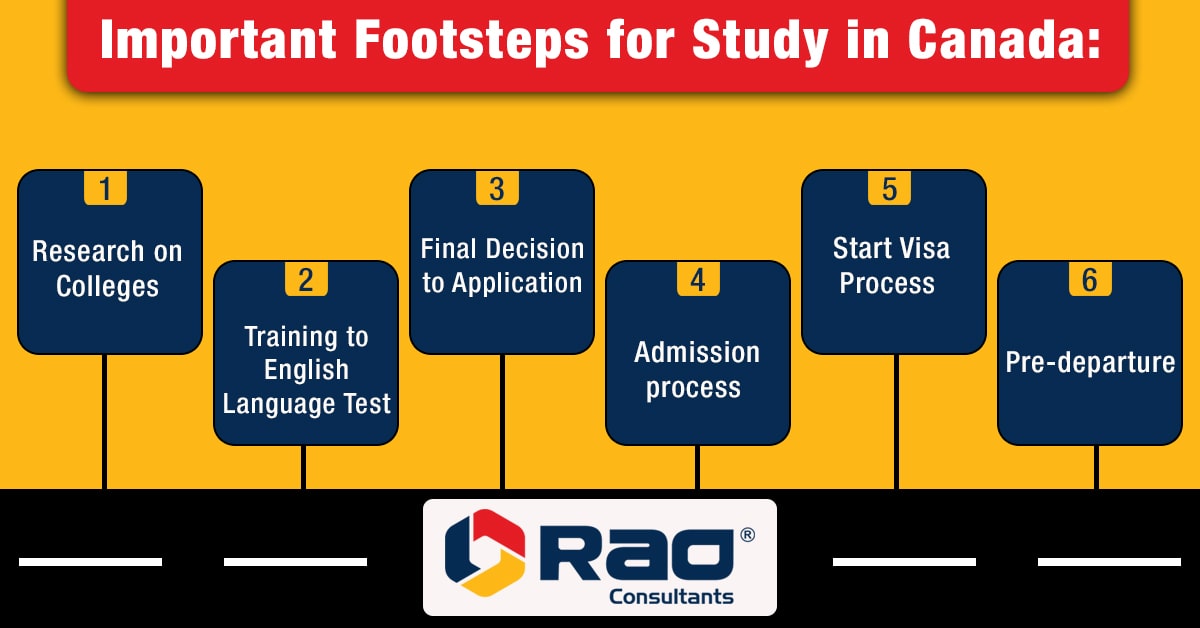
Important Footsteps While Preparing for Study in Canada

Timeline

Documents required for Canada Student Visa Application:

  • Valid Passport
  • Verified copies of 10th, 12th and Degree certificates
  • CV / Resume
  • Statement of Purpose (SOP)
  • Certificates of extracurricular achievements
  • An acceptance letter from your education institution
  • Evidence of payment
  • Evidence of financial funds
  • Passport size photographs
  • Study Permit and visa
  • English Aptitude (IELTS)
  • Recommendation Letters
  • Additional requirements from your University

Conclusion:

Canada has become the most preferred study destination for students across the globe. Canada student visas are moderately cool to organize for international students Moreover, they can initiate living in Canada to be an optimistic, life-changing experience. According to government reports, international students increased in large numbers for immigration to Canada in 2024 and, the same expected in the following years.

How Rao Consultants can help you with the admission and visa process?

Since 2002, we provide outstanding services in immigration and visas as we realize your dreams to achieve prosperity. Our immigration experts are devoted and strong-minded to serve you with your decisive satisfaction. All in all, at Rao Consultants we target to make your student visa process smoother and hassle-free.

Canada vs. Australia: Which is Better for Student Immigration?

Loading

Selecting the correct destination for your study abroad journey is a crucial step. Many students might start with a dream of building a better future abroad or getting a better quality of education abroad, but with numerous countries to choose from, students often don’t have the necessary insights on which country will be perfect for them. 

Among all the popular destinations, like the USA, the UK, or any European country, students often get confused between Canada and Australia. These two offer world-class education, easy study visa pathways, and some appealing immigration options to students. These qualities create confusion among students about Canada vs. Australia for Students PR and which country might be the best choice for international students’ immigration.  

This blog’s aim is to give students a solution to this problem of choice. By diving deep into the unique advantages and opportunities each country provides, this blog will compare Canada and Australia across key factors like education quality, visa processes, cost of living, work opportunities, and pathways to permanent residency. Let us break it down. 

Immigration Pathways for Students

Both Canada and Australia offer multiple immigration pathways that helps in making the study abroad journey easy and hassle free. Let’s understand what these pathways are and what they offer:  

Canada:  

The goal of Canada’s immigration policies is to draw and keep talented foreign workers. International students can apply for a Post-Graduation Work Permit (PGWP) after finishing their studies with a Study Permit. Depending on how long their degree is, students can work in Canada for up to three years under the PGWP. 

Additionally, Canada has the Express Entry system, which increases the possibilities of Permanent Residency (PR) for applicants with Canadian job experience and education. International graduates can get permanent residence through Provincial Nominee Programs (PNPs), which are customized by each province in Canada. 

Australia: 

Australia’s immigration system is equally designed to help overseas students. The path begins with a Student Visa (subclass 500), and once graduated, students can apply for a Temporary Graduate Visa (subclass 485). This visa permits graduates to reside and work in Australia for up to four years, depending on their qualifications and location of study. 

Pathways to permanent residence are made easier by Australia’s General Skilled Migration (GSM) program, which offers the Skilled Independent Visa (subclass 189) and the Skilled Nominated Visa (subclass 190). The Skilled Occupation List (SOL) gives preference to particular professions for migration, which is advantageous for graduates with credentials in high-demand industries. 

Post-Study Work Opportunities

Most Indian Students while looking for a country for their study abroad journey, often lean towards a country that along with a good education also offers them with post study work opportunities. Both these countries provide students with plenty of work opportunities which makes it hard to choose. Let’s break it down: 

Canada:  

International graduates have the opportunity to obtain important work experience that is essential for PR applications through Canada’s PGWP, which is a significant advantage. With its thriving engineering, healthcare, and technology sectors, Canada provides a wealth of employment options for qualified foreign graduates. 

Australia: 

Particularly for students studying in remote locations, Australia’s Temporary Graduate Visa is noteworthy since it may be eligible for longer work visa terms. Regional locations are a smart alternative for people who want to remain longer since they frequently provide additional points for PR applications, even if large cities like Sydney and Melbourne are centers for IT, banking, and healthcare. 

Eligibility Requirements

Selecting a destination also depends on the eligibility requirements that a student needs to fulfil to get their visas. Here are the visa eligibility criteria for Canada and Australia. 

Canada: 

To study in Canada, students need to demonstrate the following: 

  • Admission to a recognized institution. 
  • Proof of financial support. 
  • A clean criminal record. 
  • English or French language proficiency (via IELTS, TEF, etc.). 

Students can work part-time (up to 20 hours/week) during their studies and full-time during breaks. 

Australia: 

To Study in Australia Student Visa (subclass 500), students need to fulfill these criteria: 

  • Enroll in a full-time course. 
  • Proof of financial ability to pay tuition and living expenses. 
  • Health insurance is available through Overseas Student Health Cover (OSHC). 
  • English language proficiency (IELTS, TOEFL, and PTE). 

Part-time work rights (up to 48 hours per fortnight) are granted during semesters, with full-time work allowed during breaks. 

Advantages & Disadvantages 

For students when selecting a destination for international education, it’s important to evaluate the pros as well as the cons of the country that they are considering. Here are pros and cons for international students deciding between Australia and Canada: 

Canada: 

 Advantages: 

  • Tuition costs are lower compared to Australia. 
  • A cosmopolitan atmosphere that welcomes international students. 
  • PNPs and Express Entry provide many paths to permanent residency. 
  • Permanent residents receive free or discounted healthcare. 

Disadvantages: 

  • Some provinces experience harsh winters, which might be challenging for certain students. 
  • Processing times for visas can sometimes be lengthy. 

Australia: 

Advantages: 

  • A mild temperature and attractive scenery provide a great quality of life. 
  • Streamlined public relations routes for graduates in regional locations. 
  • Opportunities to study at world-renowned universities. 

Disadvantages: 

  • Higher tuition fees and living costs compared to Canada. 
  • Limited PR options for professions outside the Skilled Occupation List. 

Specific Programs or Visas 

Canada as well as Australia have laid down multiple program that carters to specific requirements of international students. 

Canada: 

  • Post-Graduation Work Permit (PGWP): Provides up to three years of employment permission following graduation. 
  • Provincial Nominee Programs (PNPs): These programs offer provincial avenues for overseas students to obtain permanent residency. 
  • Express Entry: Express Entry is a point-based system that prioritizes individuals with Canadian education and job experience. 

Australia: 

  • Temporary Graduate Visa (subclass 485): Offers 18 months to four years of work authorization. 
  • Skilled Independent Visa (subclass 189): A PR pathway for graduates with the right skills. 
  • Skilled Nominated Visa (subclass 190): A state-sponsored PR pathway. 

Cost Comparison 

Cost sometimes becomes a deciding factor for students deciding to commence their international journey and are confused between Canada and Australia. 

Canada: 

  • Tuition Fees: Typically range between CAD 15,000 and CAD 35,000 per year, depending on the program and institution. 
  • Living Expenses: Estimated at CAD 10,000 to CAD 15,000 annually, depending on the location and lifestyle. 
  • Immigration Costs: Study Permit and PR application fees range from CAD 1,500 to CAD 2,500. 

Australia: 

  • Tuition Fees: Generally fall between AUD 20,000 and AUD 45,000 per year, varying by program and institution. 
  • Living Expenses: Around AUD 21,041 annually, as per visa requirements. 
  • Immigration Costs: Student Visa applications cost approximately AUD 620, with PR applications costing AUD 4,000+. 

Actionable Insights 

After comparing both the courtiers, lets shed some light on insights that will help you in making the best decision for your study abroad journey. 

For Canada: 

  • Choose programs with co-op or internship opportunities to gain Canadian work experience. 
  • Focus on provinces with student-friendly PNPs, such as Ontario or British Columbia, for smoother PR transitions. 

For Australia: 

  • Consider studying in regional areas to benefit from extended work rights and additional PR points. 
  • Opt for programs aligned with the Skilled Occupation List to maximize PR prospects. 

General Tips: 

  • Maintain a high academic standard to meet both visa and PR eligibility criteria. 
  • Stay informed about changes in immigration policies and seek advice from visa experts to streamline your application process. 

Factors 

Canada 

Australia 

Immigration Pathways 

Post-Graduation Work Permit (PGWP), Express Entry, Provincial Nominee Programs (PNPs) 

Temporary Graduate Visa (subclass 485), General Skilled Migration (GSM) 

Post-Study Work Opportunities 

PGWP allows up to 3 years of work experience, enhancing PR chances 

Subclass 485 provides work rights for 18 months to 4 years 

Permanent Residency Pathways 

Express Entry, PNPs, and Canadian work experience 

Skilled Independent Visa (subclass 189), Skilled Nominated Visa (subclass 190) 

Eligibility Requirements 

Proof of financial support, criminal record check, IELTS/TEF 

Financial proof, health insurance (OSHC), IELTS/TOEFL/PTE 

Cost Comparison 

Tuition: CAD 15,000 – 35,000/year, Living: CAD 10,000 – 15,000/year 

Tuition: AUD 20,000 – 45,000/year, Living: AUD 21,041/year 

Visa Process 

Relatively longer processing times, but multiple PR pathways 

More streamlined, with emphasis on regional locations 

Work During Studies 

Part-time (20 hrs/week), Full-time during breaks 

Part-time (48 hrs/fortnight), Full-time during breaks 

Pros 

Lower tuition, diverse PR options, free/discounted healthcare  Mild climate, great lifestyle, attractive regional PR routes 
Cons  Harsh winters in some provinces, lengthy visa processing 

Higher costs, limited PR options for non-Skilled Occupation List professions 

Conclusion 

Both Canada and Australia provide exciting prospects for overseas students, with each having its own set of perks and disadvantages. Canada vs. Australia for Students PR provides different immigration opportunities, with Canada offering more affordable pathways and established PR channels. Australia, on the other hand, provides a dynamic lifestyle and specific regional perks that might be the best choice for international students’ immigration. Your own objectives and preferences will determine which option is better for study abroad immigration. 

Whatever place you select, skilled help may make the process easier and boost your chances of success. Your goal of studying abroad is within reach, so take the next step with confidence! 

Work While Studying in Singapore for International Students

Loading

Singapore, ranked among the top 15 cities in the world (as per QS Top Universities), is a dream destination for many international students. With world-class universities like the National University of Singapore (NUS), Nanyang Technological University (NTU), Singapore Management University (SMU), and several other prestigious institutions, Singapore has established itself as an education hub on par with Europe and the USA. 

These high-quality institutes, both public and private, are well-known for placing students in excellent job opportunities before and after completing their study programs. Whether in business, technology, public policy, communication, management, or hospitality, the programs in Singapore are highly practical and industry oriented. This focus has made Singapore a premium destination for international students. 

While it is true that Singapore is one of the more expensive cities for studying and living—annual tuition fees average INR 8,42,756 and living costs range between INR 40,000 to INR 1,00,000 per month—there are ways to make studying here more affordable. Scholarships are a great way to manage expenses, but there are additional options available to international students.

Balancing Education and Expenses through Work in Singapore

For instance, Singapore has a dedicated government quota for foreign workers in each company, making it easier for students to find part-time work. Moreover, undergraduate and postgraduate students who commit to working for the Singaporean government for three years may qualify for subsidized tuition fees. 

Another effective way for students to manage expenses is through internships. These offer dual benefits: gaining valuable work experience to enhance your resume while also helping cover living costs in Singapore. International students can typically work part-time internships for up to 16 hours per week (two days). This arrangement allows students to balance work and studies without becoming overwhelmed. Some degree programs also offer co-op programs, requiring students to spend time working in the industry as part of their curriculum. 

If you’re wondering what kind of employment you can take up as an international student in Singapore, this blog will guide you through the various options available. 

What Types of Work Can You Take Up While Studying in Singapore? 

There are numerous work opportunities for students to explore while study in Singapore. These can broadly be divided into two categories: on-campus and off-campus work. Each offers its own unique advantages and opportunities. 

 On-Campus Work: Why Working Inside Campus Can Be the Suitable Option

Premium universities in Singapore often provide a variety of on-campus job opportunities for students. These include positions in departments such as communications, social media, libraries, teaching assistance, projects, cafes, grocery stores, sports clubs, and more. 

Students Can Find Roles Such As: 

  • Content writers for university publications 
  • Social media managers for clubs and organizations 
  • Library assistants managing book repositories and inventories 
  • Teaching assistants helping professors with coursework 
  • Front-desk staff handling inquiries and reception tasks 

These jobs are usually advertised internally or posted on university websites. To secure an on-campus job, students should actively network with relevant departments, inform them of their interest, and submit their resumes whenever a suitable opportunity arises. 

On-campus work is often preferred by students because it eliminates the need for travel, saving both time and money. Additionally, working within the campus helps students better understand the functioning of their institution, build professional relationships, and establish a stronger connection with their university community. 

Off-Campus Work: What Kind of Job Opportunities Await Beyond Campus Walls? 

Off-campus work offers students an opportunity to explore the professional world beyond their university. However, international students must ensure that their jobs align with the working hour guidelines in Singapore, which typically limit work to part-time hours during academic terms. 

Some Popular Off-Campus Job Options for International Students Include: 

  • Content Writing: Creating articles, blogs, and social media posts for businesses. 
  • Social Media Engagement: Managing social media platforms for brands or organizations. 
  • Hospitality and Food Chains: Working in cafes, restaurants, or hotels. 
  • Tech-Related Jobs: Web or app development for startups or small businesses. 
  • Customer Service: Roles such as front-desk inquiries or retail assistance. 
  • Data Entry: Handling administrative tasks for companies. 
  • Skill-Based Work: Opportunities in beauty services, photography, or tutoring. 

To secure off-campus jobs, students should prepare an updated resume, share it via email, respond to online job postings, or even deliver their resumes in person. Networking with peers, seniors, and alumni can also help uncover hidden opportunities. 

Final Remarks: Tips to Remember as a Student Searching for Work Opportunity

Singapore provides ample work opportunities for international students who are pursuing higher education. However, success in finding and managing a part-time job lies in being proactive and resourceful. Regularly updating your resume, networking with friends and classmates, and staying informed about job postings are key to landing the right opportunity. 

Such work experiences are highly valued in Singapore’s professional work culture. They showcase your adaptability, willingness to learn, and ability to balance academics and work. These qualities not only help you manage living expenses but also enhance your academic and professional profiles, opening doors to even greater opportunities in the future. 

Proven Tips to Build an Academic Profile That Wins Fully Funded Scholarships Abroad

Loading

Higher education abroad is an aspiration for many students in India, and securing a scholarship provides great support to make this ambition much more accessible. However, building a strong academic profile that stands out requires more than just good grades. From preparing for exams like IELTS to keeping essential documents updated and researching courses, the journey demands meticulous preparation. Amid these efforts, applying to get scholarship to study abroad becomes another crucial yet competitive step. 

Unfortunately, many students are unsure about what exactly to prepare or include in their profiles. The availability of vague and generic information further complicates the process. To bridge this gap, this blog is specially crafted for Indian students aiming to get scholarships for studying abroad. It provides practical guidance on how to build and present an academic profile that makes you stand out in the applicant pool. 

Whether you are targeting fully funded scholarships or are working on profile build for study abroad scholarship to demonstrate your academic potential, the tips shared here will be immensely beneficial. Incorporate the following points into your journey to stimulate your chances of securing a study abroad scholarship. 

Strong Academic Profile: What Does It Include? 

A strong academic profile is a well-rounded combination of multiple aspects. Securing a study abroad scholarship requires more than just an impressive academic record. While excellent grades are important, scholarship committees often evaluate candidates holistically, considering various facets of their academic and extracurricular achievements. Here’s how you can build a well-rounded academic profile to enhance your chances of receiving scholarships as an Indian student. Let’s dive into the key elements:  

1. Holistic and Multidisciplinary Academic Interests

Gone are the days when excelling in just one subject was enough to stand out. Today, scholarship committees value multidisciplinary interests and a broader understanding of diverse fields.
Your profile should demonstrate how you connect your chosen field of study with global challenges like environmental crises, technological advancements, or cultural shifts. For instance, whether you’re pursuing hotel management, engineering, or business, show how your studies intersect with pressing issues like sustainability or technological innovation. Highlighting your ability to integrate these perspectives into your academic journey adds significant weight to your profile. 

2. Participation in Conferences, Workshops, and Seminars

Modern education extends far beyond classroom learning. Actively engaging in conferences, workshops, and seminars demonstrates your ability to communicate, share ideas, and participate in scholarly discussions.
By attending these events, you can exchange ideas with national and international experts, present creative or technical posters, critique scholarly works, or even help organize such gatherings. These experiences not only broaden your knowledge but also showcase your commitment to staying updated in your field. When highlighted in your academic profile, such activities can make you a compelling candidate for international scholarships. 

3. Publishing Research Papers and Articles

Research and publication are no longer reserved for PhD scholars. Undergraduate and master’s students increasingly contribute to academia through research papers, often guided by professors and mentors.
If you’ve authored or co-authored research papers of international repute, ensure they are included in your profile. Even creative writings published in institutional magazines or credible platforms reflect your passion and dedication to your field. These accomplishments underscore your ability to contribute meaningfully to academia and can significantly strengthen your application. 

4. The value of experience in Internships, Summer Schools and Student Exchange Programs

Practical experience is invaluable when building your academic profile. As part of undergraduate or postgraduate programs, many courses now require students to undertake internships, participate in student exchange programs abroad, or attend summer schools. These opportunities are designed to expose students to different environments and workplaces, enabling them to apply their education in practical settings. They test a student’s ability to adapt, learn, and communicate in diverse professional spaces. Such experiences are highly valued by educational institutions abroad and carry significant weight during the selection process, so if you have such an experience during your undergrad or post grad study while in India you may showcase this experience to strengthen your academic profile presenting to the international committee.  

5. Multilingual Proficiency

Proficiency in multiple languages can give you a unique edge. Beyond your native language and the medium of instruction, learning an additional language—especially an international one—shows cultural curiosity and openness.
Being multilingual not only enhances your profile but also equips you to connect with people from different backgrounds, making you a stronger candidate for global opportunities. 

6. Engagement in Art, Culture, and Sports

Extracurricular activities are another vital component of a strong academic profile. Participation in art, cultural events, or sports demonstrates time management, teamwork, and a balanced personality.
Some universities even offer scholarships specifically for students excelling in these areas. Highlighting your achievements in extracurricular activities, either in your Statement of Purpose (SOP) or interviews, can help you stand out among other applicants. 

7. Teaching Assistantships (TA)

If you’ve worked as a Teaching Assistant (TA) or contributed to any academic department on campus, this experience adds significant value to your profile.
TA roles showcase your dedication, time management, and passion for academia. Be sure to include any such experiences in your application, as they reflect qualities highly regarded by professors and admissions committees. 

Final Thoughts: Building a Well-Rounded Academic Profile 

A strong academic profile is a culmination of your overall journey, not just a reflection of your grades. It’s okay if some aspects are stronger than others or if certain elements are missing altogether. The key is to present your achievements thoughtfully and confidently. 

While Crafting Your Profile, Ensure the Following: 

  • Meet eligibility criteria and maintain an up-to-date document file. 
  • Write your SOP yourself, incorporating the points discussed above. 
  • Obtain strong Letters of Recommendation that highlight your unique strengths. 

Scholarships for studying abroad are highly competitive, and admissions committees pay close attention to every detail. By showcasing a holistic, well-rounded profile, you significantly increase your chances of standing out and securing that coveted scholarship. 

Top Scholarships to Study in Russia for Indian Students: A Complete Guide

Loading

Study in Russia provides Indian students an opportunity to take advantage of top-notch education, a thriving cultural variety, and access to professional pathways in an increasingly globalized world. Despite the fact that education in Russia is often less expensive than in Western nations, living expenses in some locations and the costs associated with studying overseas can quickly mount up. Russia offers scholarships to make studying in the country more affordable for Indian students, opening doors to a world-class education. 

In this blog, we’ll look at the fully funded scholarships in Russia and other scholarship options available to Indian students. We’ll offer comprehensive details on the funding, requirements, and application processes. By becoming aware of these scholarships in Russia for international students, students can save money while pursuing top-notch education in Russia. 

Why Consider Studying in Russia? 

Russia has long been known for its excellent educational system, especially in the natural sciences, engineering, medicine, and the arts. Several of the world’s best universities, many of which are internationally renowned, are located in the nation. There are several reasons why students go for Russia: 

  • Globally Recognized Degrees: Russian universities are well regarded for their high caliber of instruction, especially in STEM (science, technology, engineering, and mathematics) sectors. International professional chances can be accessed through Russian degrees, which are highly valued. 
  • Affordable Tuition Fees: The cost of education in Russia is lower than in Western nations like the United States, the United Kingdom, and Australia. Students from nations like India find Russian institutions to be an appealing alternative due to their relatively reduced tuition costs. Additionally, Russia offers scholarships to further alleviate the financial burden. 
  • English-Taught Programs: A lot of Russian institutions provide degree programs in English, which helps foreign students study and live in Russia by removing the language barrier. 
  • Cultural and Social Experience: Students get the chance to interact with a distinctive cultural legacy in Russia, which is rich and varied. Furthermore, Russia provides a thriving student community with a wide range of social events, activities, and chances to see the nation’s natural beauty. 

Top Scholarships for Indian Students in Russia 

Indian students who want to study in Russia can apply for a  require scholarships. These scholarships can offer substantial financial aid in the form of living stipends, travel expenses, and tuition waivers. Below is a list of the top scholarships in Russia for international students, particularly those available for Indian applicants: 

1. Russian Government Scholarships

Funding: Full tuition fees, monthly stipend, accommodation discounts, and health insurance. 

Eligibility: International students, including Indians, who satisfy the academic standards can apply for the Russian Government Scholarship. Academic performance, an admission exam, and, in certain cases, a language competence test all decide eligibility. Students must apply through either the Russian Ministry of Education or the “Study in Russia” webpage. 

Application Process: 

Step 1: Apply online via the official “Study in Russia” webpage or via Russian Cultural Centres in India. 

Step 2: Submit your academic transcripts, language proficiency (if applicable), and any other relevant papers. 

Step 3: Attend an interview or examination conducted by Russian universities or through cultural centers. 

This scholarship is among the top fully funded scholarships in Russia as it covers nearly every aspect of studying, including travel costs to and from the country. 

2. Open Doors Scholarship Program

Funding: Fully funded scholarships covering tuition, living expenses, and travel. 

Eligibility: Talented students seeking a master’s or doctorate in fields like economics, social sciences, medicine, or STEM are eligible for this grant. Students who wish to be eligible must enter the Association of Global Universities’ Open Doors competition. 

Application Process: 

  • Step 1: Register and take part in the Open Doors academic competition. 
  • Step 2: Prepare and submit all relevant papers, such as academic transcripts and research ideas, if necessary. 
  • Step 3: Winners are chosen based on their performance in the competition and receive full financing to study in Russia. 

The Open Doors program is highly competitive but is one of the most prestigious scholarships in Russia for international students, offering complete coverage of expenses. 

3. GyanDhan Scholarship

Funding: INR 1,00,000 (approximately $1,200 USD). 

Eligibility: Indian students who have been offered admission to a reputable Russian university are eligible for this award. The fellowship seeks to lessen Indian students’ financial burden of studying overseas. 

Application Process: 

Step 1: Students must write an essay outlining why they deserve the scholarship and how studying abroad would help them advance their careers. 

Step 2: Provide confirmation of acceptance to a recognized Russian university. 

Step 3: Submit your application and await the results of the scholarship selection process. 

While not a fully funded scholarship in Russia, this grant significantly aids students in managing study-related expenses. 

4. Education Future International Scholarship

Funding: Partial funding of $2,500 to $12,000, depending on merit and financial need. 

Eligibility: Students must get a minimum academic score of 60% in their 10th and 12th  grades. They must also be admitted into a recognized Russian university or educational institution. 

Application Process: 

Step 1: Fill out an online application by providing your financial and academic information. 

Step 2: Send in supporting documentation, including a personal statement, proof of acceptance, and academic transcripts.  

Step 3: The scholarship committee will determine the grant amount based on your application. 

For Indian students studying in Russia, this scholarship assists with tuition and other educational expenses. 

5. Ritchie-Jennings Memorial Scholarship

Funding: $1,000 to $10,000 based on academic merit. 

Eligibility: The Association of Certified Fraud Examiners (ACFE) Foundation offers the Ritchie-Jennings Memorial Scholarship. It was formed to give financial aid to students studying fraud prevention and detection. 

Application Process: 

Step 1: Students must apply online via the Association of Certified Fraud Examiners (ACFE) website. 

Step 2: Provide your academic information and confirmation of attendance in a recognized program. 

Step 3: Write an essay describing your career objectives and how this scholarship will help you accomplish them. 

6. Humane Studies Fellowship

Funding: Up to $15,000 annually. 

Eligibility: This grant is for graduate students whose research interests are aligned with the advancement of classical liberal studies. The initiative helps students studying humanities and social sciences at Russian institutions. 

Application Process: 

Step 1: Fill out an online application form that describes your research interests and academic background. 

Step 2: Submit your academic credentials, references, and any pertinent research suggestions. 

Step 3: The fellowship committee will assess submissions and choose fellows based on their research potential and adherence to classical liberal values. 

7. BeArt Presets Academic Scholarship

Funding: $5,000. 

Eligibility: Undergraduate and graduate students enrolled in any Russian university with accreditation are eligible to apply for this grant. Students in any subject of study are eligible for the award. 

Application Process: 

Step 1: Submit an online application, including an essay or creative work that demonstrates your academic achievements and career aspirations. 

Step 2: Provide proof of enrollment at an accredited Russian university. 

Step 3: The selection process is based on your application and the strength of your submission. 

8. Global Education Program (GEP)

Funding: Full tuition and living expenses for students studying in Russia. 

Eligibility: Indian students who have a clear plan to contribute to the development of their own country after finishing their studies are eligible for this scholarship. In addition to meeting academic achievement standards, students must exhibit a dedication to social and economic advancement. 

Application Process: 

Step 1: Apply via linked government programs or the official GEP website. 

Step 2: Submit your academic records and a personal statement or post-graduation development strategy for your nation. 

Step 3: Students will get financial aid for their studies in Russia if they are chosen. 

9. Siberian Federal University Scholarship

Funding: Tuition fee waiver and a monthly stipend for living expenses. 

Eligibility: For bachelor’s, master’s, and doctoral programs, students must fulfill the university’s unique entry standards and exhibit academic distinction. 

Application Process: 

Step 1: Use the Siberian Federal University application portal to submit your application. 

Step 2: Send in the necessary paperwork, including a personal statement, academic transcripts, and language competency exams, if needed. 

Step 3: You will get the scholarship money and enrollment instructions if you are chosen. 

10. Skolkovo Institute of Science and Technology (Skoltech) Scholarship

Funding: Full tuition coverage, monthly stipend, and medical insurance. 

Eligibility: Students with strong academic backgrounds and exceptional qualifications are eligible to apply for this grant. Candidates must make it through Skoltech’s rigorous hiring procedure. 

Application Process: 

Step 1: Use the Skoltech application portal to submit your application. 

Step 2: Send in your academic information and participate in the selection process, which could involve exams, interviews, and an examination of your prior coursework. 

Quick Overview of Scholarships 

Scholarship 

Funding  Eligibility 

Application Process 

Russian Government Scholarship 

Tuition, stipend, accommodation discounts  Based on academic performance, entrance exams 

“Study in Russia” portal 

Open Doors Scholarship Program 

Full funding  Competition winners in STEM, medicine, economics  Academic competition 
GyanDhan Scholarship  $1,200  Admission to a recognized university 

Essay and proof of admission 

Education Future International 

$2,500-$12,000  60% academic score, recognized university  Online application 
Ritchie-Jennings Memorial  $1,000-$10,000  Enrollment in accounting, finance, or related fields 

Online application through ACFE 

Humane Studies Fellowship 

Up to $15,000 annually  Graduate students in humanities  Online application 
BeArt Presets Academic Scholarship  $5,000  Enrolled undergraduate/graduate students 

Online application through BeArt Presets 

Global Education Program (GEP) 

Tuition & living expenses  Commitment to home country’s development post-study  Government program application 
Siberian Federal University  Tuition waiver, stipend  Based on academic performance 

University application portal 

Skoltech Scholarship 

Full funding, stipend, medical insurance  Strong academic background, competitive selection 

Skoltech application portal 

Conclusion

Indian students who study in Russia have many opportunities to experience a different culture and receive excellent education. Thanks to the variety of scholarships in Russia for international students, students shouldn’t let their financial situation stop them from following their dreams. Programs like the Russian Government Scholarship, Open Doors Scholarship, and others can make studying in Russia much more affordable. 

Each scholarship may have a different application process, but all of them provide the chance to receive a top-notch education at a much lower price. To increase their chances of securing funding, students should thoroughly examine each scholarship, meet the requirements, and apply as soon as possible. 

With careful planning and research into the fully funded scholarships in Russia and other financial aid options, studying in Russia can become a viable and rewarding experience for Indian students.