News


admin
March 6, 2024
Canada Welcomes Over 354,000 New Citizens in 2023
Immigration, Refugees and Citizenship Canada (IRCC) data reveals that over 354,000 individuals became Canadian citizens in 2023 through more than 3,000 citizenship ceremonies across the country. This marks a significant increase compared to 2022’s 375,413 and reflects a growing trend in naturalization over the past few years. For comparison, the number of new citizens in 2019 was 250,513, and it dropped to 110,989 in 2020 and 137,133 in 2021.
IRCC Tackles Citizenship Backlog
IRCC has been actively working to reduce the citizenship application backlog and has achieved its goal of processing 80% of applications within service standards. In January 2022, the backlog stood at 46%, but by November 2023, it had been reduced to 20%.
Here’s how IRCC achieved this progress:
- Launched an online platform for the citizenship test
- Introduced virtual citizenship ceremonies
- Streamlined the application process with online options for most clients
- Implemented an online application tracker to keep applicants informed
- Increased staffing levels to expedite processing
Path to Canadian Citizenship
Individuals can become Canadian citizens after meeting specific eligibility criteria, including:
- Permanent residency status in Canada
- Tax filing (if applicable)
- Passing the Canadian citizenship test (ages 18-54)
- Meeting language proficiency requirements (ages 18-54)
- Fulfilling physical presence requirements
To meet the physical presence requirement, applicants must be physically present in Canada for three years (1,095 days) out of the five years preceding their citizenship application. Specific rules apply to calculating time spent in Canada and as a temporary resident or protected person.

Benefits of Canadian Citizenship
Unlike permanent residents, Canadian citizens have no residency obligations and are entitled to:
- Canadian passports
- Voting rights in federal, provincial, and municipal elections
- Enhanced job opportunities
Canadian citizenship can only be revoked in cases of fraud or misrepresentation.
You May Also Like
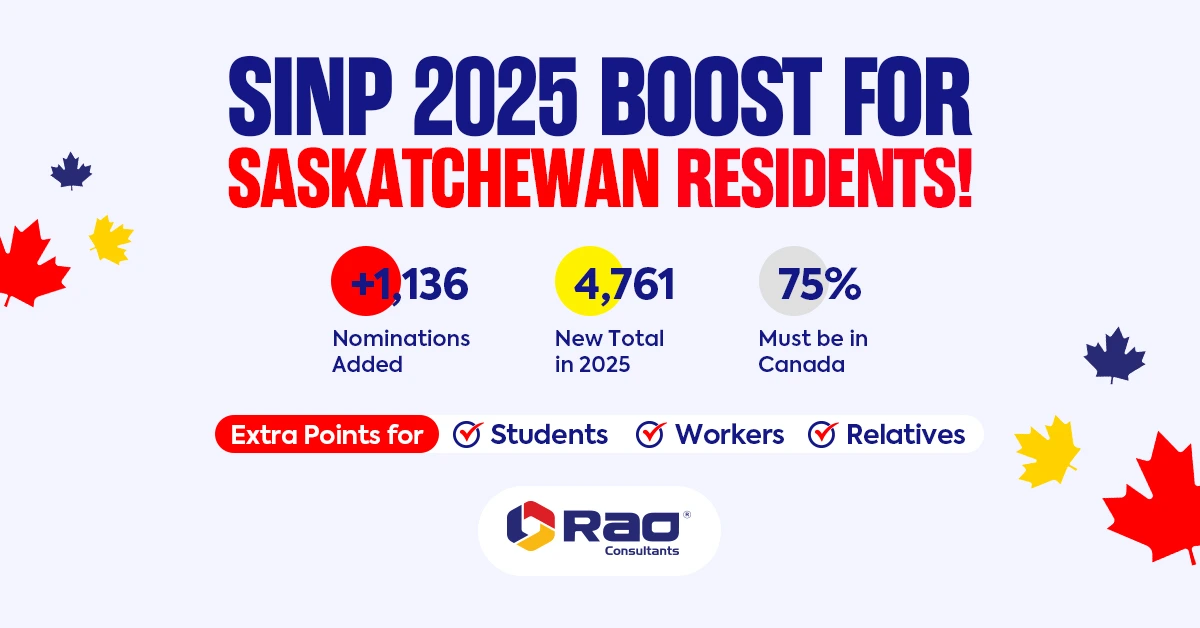
SINP 2025 Update: Saskatchewan Gets 1,136 Extra Nominations – Total Now 4,761
Saskatchewan has received 1,136 additional provincial nomination spaces for 2025 under the Saskatchewan Immigrant Nominee Program (SINP), taking the province’s total allocation to 4,761 for the year. The boost follows earlier reductions to provincial allocations and is aimed at easing labour shortages in key sectors. What changed – and why it matters More nomination spaces […]
Read More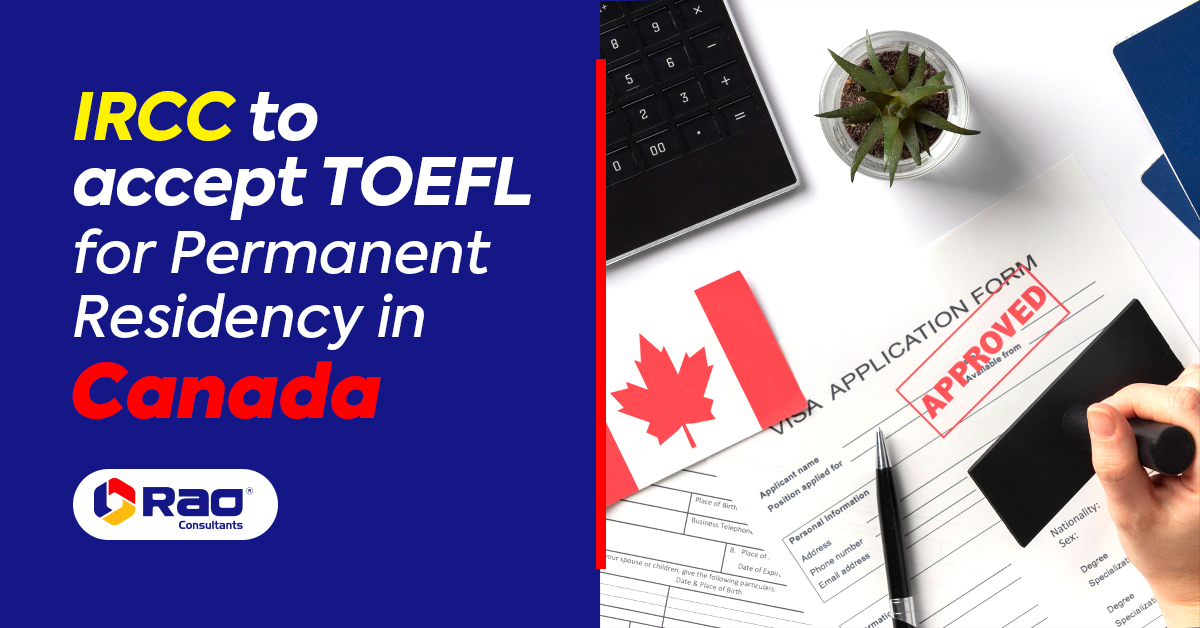
Canada to Accept TOEFL Essentials Test for Permanent Residency Applicants
Toronto, August 2025 – In a move to broaden language testing options, Immigration, Refugees and Citizenship Canada (IRCC) has confirmed that it will soon accept the TOEFL Essentials test, administered by the Educational Testing Service (ETS), as an official proof of English proficiency for permanent residency (PR) applications New Accessible Pathway for Applicants The inclusion […]
Read More
Government Raises Income Thresholds for Hosting Parents and Grandparents in Canada
As of July 29, 2025, Canadian hosts wishing to bring their parents or grandparents under the Super Visa program must meet higher minimum income thresholds, reflecting a 3.9% increase over 2024 levels. 💰 New Income Requirements by Family Size (Canadian Dollars) Family Size Minimum Income Needed in 2025 Minimum Income in 2024 1 (sponsor alone) […]
Read More